
Community of Draper, Utah
Here’s a detailed look at the community of Draper, Utah — who lives there, what life’s like, and what you might expect if you moved or spent time there. Since you live in Salt Lake City already, this may help you compare or understand Draper better.
👥 Population, Demographics & Income
-
Draper is home to around 50,000–50,200 people as of the most recent estimates (2024–2025). Utah Demographics+2Census Reporter+2
-
The median age is about 33.7 years, which suggests a community with many young families and working-age adults. Utah Demographics+1
-
Regarding race/ethnicity, the majority identify as White, with smaller but meaningful representation from Hispanic/Latino and Asian residents. Utah Demographics+2Census Reporter+2
-
The city is relatively well-off: median household income is about $130,680/year, and per-capita income also sits well above state and metro averages. Census Reporter+2Point2Homes+2
-
Poverty rates and unemployment are lower than national averages — a sign of relative stability. Census Reporter+2Local Observer Daily+2
What this means: Draper tends to attract — and keep — young to middle-aged families or professionals, with fairly stable earnings, relatively high educational attainment, and a comfortable socioeconomic baseline.
🏡 Housing, Cost of Living & Lifestyle
-
Housing in Draper tends to be newer construction: many homes built since the late 1980s onward, often located in planned communities and suburbs. Homes+2Best Utah Real Estate+2
-
As with many desirable suburbs, housing costs are on the higher side compared to national averages. Local Observer Daily+2NeighborhoodScout+2
-
Many neighborhoods feature good-sized lots, sidewalks, manicured lawns, and a suburban feel. Homes+1
-
Residents tend to own their homes (owner-occupied homes are common), though rental and townhouse/apartment options exist too — especially in more recently developed complexes. Homes+1
What this means: Draper offers suburban comfort — spacious homes, well-kept neighborhoods, and a stable residential base — though at a premium compared to more modest areas. It’s likely more appealing to people able to afford higher housing and living costs, especially families and long-term residents.
🎓 Education & Employment
-
Educational attainment in Draper is high: a sizable portion of adults hold a bachelor’s degree or higher. Census Reporter+2Point2Homes+2
-
Many residents work in skilled or white-collar professions — including technology, math, and computer-related fields — in and around the region, making Draper part of a growing economic area. NeighborhoodScout+2Best Utah Real Estate+2
-
Because of proximity to the area known as Silicon Slopes (the tech-industry cluster in northern Utah), Draper appeals to professionals working in tech/business sectors but seeking suburban living. Best Utah Real Estate+2Wikipedia+2
What this means: For people in tech or other skilled professions, Draper often offers a comfortable balance: reasonable commute to work, quality schools (good if you have or plan to have children), and a stable community environment.
🌲 Recreation, Nature & Community Vibe
-
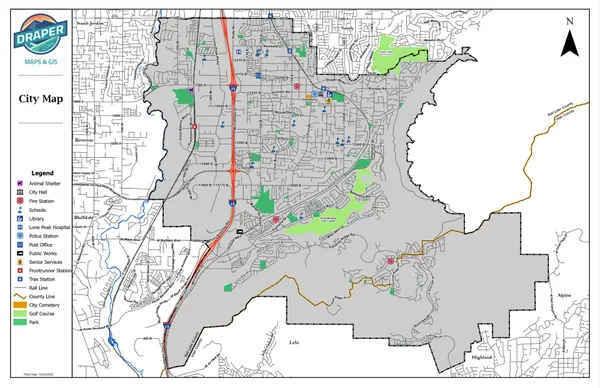
Draper is situated at the southeast edge of the valley, with mountains on one side — giving residents easy access to nature, trails, foothills, and mountain-area recreation. Wikipedia+2anyclimatemechanical.com+2
-
Outdoor-lifestyle is a strong part of community life: Draper features 100+ miles of trails, numerous parks, open spaces, and trailheads, making it popular for hiking, biking, trail running, and other outdoor activities. Best Utah Real Estate+2anyclimatemechanical.com+2
-
The nearby area known as Corner Canyon and the region near Point of the Mountain are notable for hiking, mountain biking, and — for enthusiasts — hang gliding / paragliding. Wikipedia+2anyclimatemechanical.com+2
-
For community interaction, Draper offers suburban-style living: well-kept neighborhoods, parks, shopping centers, and local events. Many residents value Draper’s balance of convenience, safety, nature, and quiet. Utah State University+2Homes+2
What this means: If you enjoy outdoor activities, nature access, and a community that blends suburban tranquility with active-lifestyle options, Draper provides that kind of quality-of-life environment.
✅ Strengths & Tradeoffs — What People Often Like (and What to Keep in Mind)
👍 Pros:
-
Good-paying community, stable incomes, and relatively low poverty/unemployment.
-
Strong educational levels and many opportunities for skilled employment (especially with nearby tech/business hubs).
-
Suburban neighborhoods with modern housing, comfortable living, and family-friendly amenities.
-
Great access to nature and recreation — mountains, trails, biking/hiking, and outdoor lifestyle close at hand.
-
Balanced feel: not a dense urban core, but not remote countryside either — good middle ground.
⚠️ Tradeoffs / What to Consider:
-
Housing and cost-of-living tend to be higher — might be a stretch for lower-/middle-income households.
-
Because of suburban layout, some dependence on cars — convenience comes often with a trade in commute/transport planning.
-
As the area grows and develops (especially near redevelopment zones), some residents mention concerns about traffic, infrastructure strain, and changing neighborhood feel. Utah State University+2NeighborhoodScout+2
-
As with many suburban areas, the social and cultural vibe may be quieter or more modest than a downtown-city lifestyle (less nightlife, more family-focused).
🎯 Who Might Fit Well in Draper — And Who Might Not
📌 Draper tends to be a good fit for:
-
Young or middle-aged families looking for safe neighborhoods, good schools, and access to both city and nature.
-
Professionals — especially in tech or white-collar fields — who want a comfortable home base with manageable commute to work.
-
People who appreciate a balance of suburban living and outdoor recreation (hiking, biking, mountain access, etc.).
-
Those wanting newer homes, family-oriented amenities, and stable community infrastructure.
📌 Draper might be less ideal for:
-
People on tight budgets or needing lower-cost housing (since housing costs are higher here).
-
Those seeking very urban lifestyles (dense walkable neighborhoods, nightlife, urban culture). Draper leans suburban.
-
Residents who rely heavily on public transportation or prefer minimal driving — suburban layout and dependence on cars may make things more complicated compared to city living.
-
People wanting very diverse urban culture — the community tends to be more suburban-American in feel, less “big city.”
Categories
Recent Posts





GET MORE INFORMATION